A bad toothache can stop someone in their tracks. They may fear a long, painful procedure or think the tooth must come out. Many people call a dentist unsure if they need a root canal or an extraction.
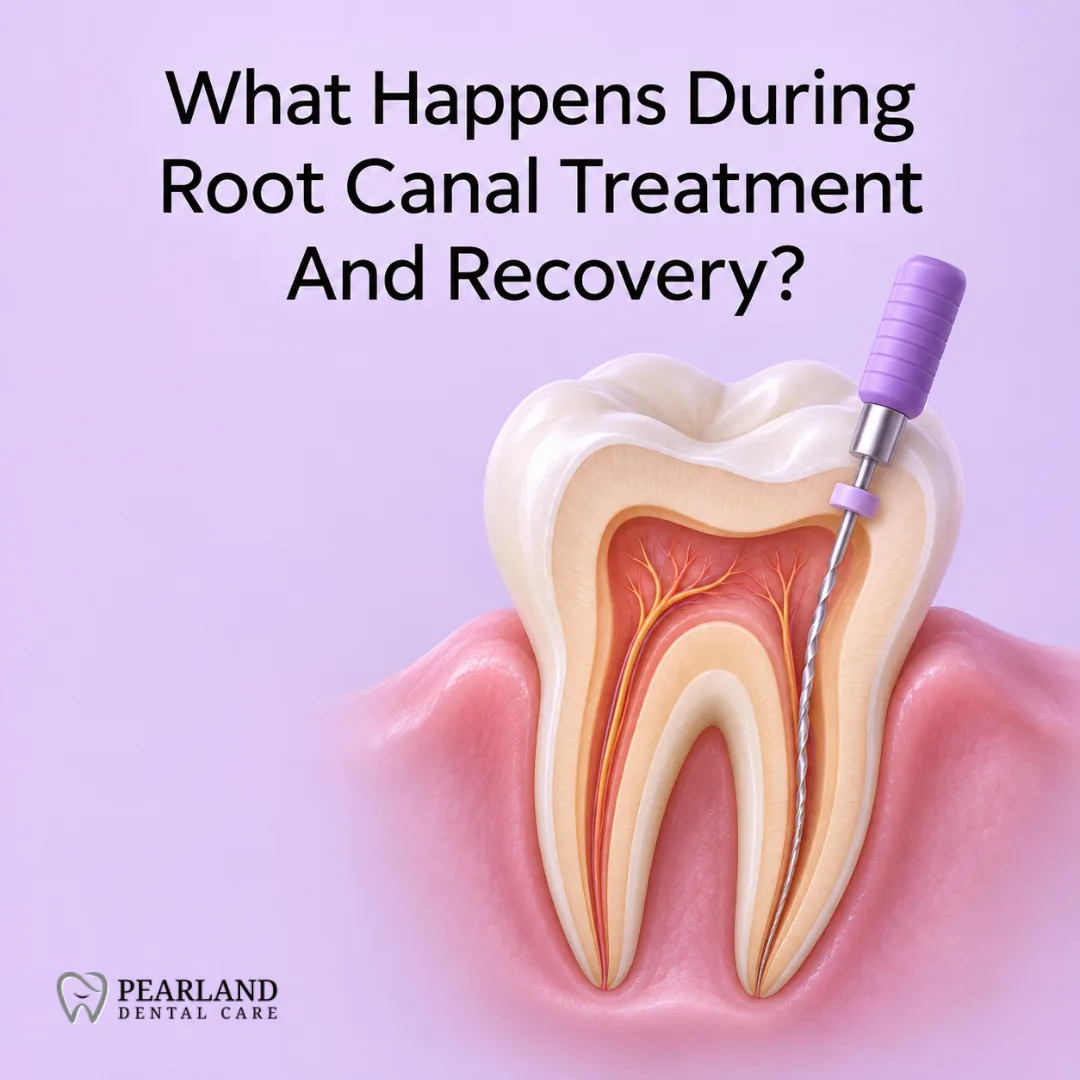
A root canal treats an infection inside the tooth, in the dental pulp. The dentist removes the infected tissue, cleans the canals, and seals the space to save the tooth. Here you will understand each step of the treatment, what to expect after, and how to handle pain and care at home.
The dentist gets to the root of the problem using special tools. Each step helps save your tooth and kicks out infection for good.
A clinician examines the tooth and asks about pain. They take X-rays to view the dental pulp, root canals, and any infection. Images reveal root shape, bone loss, and whether endodontics or tooth extraction fits best.
Staff review the photos with the patient and outline the treatment plan. Charts and X-rays guide probe placement and cleaning. No guesswork, just clear pictures and a plan.
Numbing the area is a key step in root canal treatment. The dentist applies local anesthesia to block pain signals during the procedure. Patients may feel a small pinch as the needle goes in, but it’s quick. This numbing helps reduce discomfort and keeps anxiety at bay.
Once numb, patients will not feel any pain from the infected pulp removal or cleaning of the canals. Most people find this part quite relieving; they often appreciate that they won’t experience any sharp sensations during treatment.
After ensuring everything is well-numbed, dentists move on to removing infected pulp and cleaning out those tricky canals.
During root canal treatment, the dentist removes infected pulp from inside the tooth. This pulp contains nerves and blood vessels that can become inflamed and cause pain if infection takes hold.
After accessing the canals, they use specialized tools to clean out any debris or bacteria present. The goal is to ensure no remaining infection lingers.
Once the canals are cleaned, it’s time for sealing. Filling material goes into each canal to protect against future infections. The dentist makes sure it fits snugly. A proper seal keeps everything safe while providing a solid foundation for recovery. This step plays a crucial role in maintaining long-term oral health after endodontics treatment.
After the dentist removes the infected dental pulp, they fill and seal the canals. They use a special material called gutta-percha to fill these spaces. This substance helps prevent future infections by blocking bacteria and germs from entering.
Once they fill the canals, they seal them tightly with cement. Sealing is crucial for long-term health of the tooth. A well-sealed canal keeps out debris and protects against further issues. After this step, patients typically feel a sense of relief knowing their tooth has received proper treatment.
After a root canal, patients can expect some pain and swelling. Discomfort often arises as the numbing wears off. It’s normal to feel tenderness in the treated area for a few days.
Over-the-counter pain relievers usually help ease any lingering soreness. Following aftercare instructions is important for smooth healing. Staying on top of dental hygiene will promote faster recovery too.
Root canal treatment can cause some discomfort. However, managing pain is quite straightforward.
Patients often feel mild sensitivity as they heal. Keeping communication open with the dentist is crucial if anything feels off during recovery.
Managing pain and discomfort is only part of the equation. Caring for the treated tooth plays a crucial role in recovery.
These steps will help everyone enjoy a smoother recovery while promoting long-term health for that treated tooth!
If pain worsens or swelling appears after a root canal, it’s time to call the dentist. A lingering issue could signal complications that might need quick attention. Staying on top of concerns keeps oral health in check.
After a root canal, some discomfort is normal. However, specific signs can indicate complications.
Timely communication with a dentist is important for maintaining oral health during recovery from endodontics procedures like root canals.
During a root canal, the dentist removes infected pulp from inside your tooth. They clean and shape the area, then fill it with material to seal it. This helps save your tooth and prevent further infection.
Many people worry about pain during this procedure. However, dentists use anesthesia to numb the area. You may feel some pressure but not sharp pain; discomfort can be managed with over-the-counter pain relief afterward.
Recovery usually takes a few days to a week. You might experience mild soreness or sensitivity for some time after treatment; however, most people return to normal activities within 24 hours.
Yes! After your procedure, avoid hard foods for at least 24 hours to protect the treated tooth. Keep up with good oral hygiene by brushing and flossing regularly; follow any specific instructions from your dentist for optimal healing.
Tell us a little about what you need — we'll be in touch shortly.
1921 N Main St #115, Pearland, TX 77581, United States

Hi! I'm Tooth fairy! Your AI Assistant Ask me anything