Many people feel self-conscious about crooked teeth. Parents, teens, and adults all want the same thing: a healthy, straight smile and clear options with real results. Orthodontics can correct misaligned bites and crowding with metal braces, ceramic braces, or clear aligners.
One important fact: teeth can move at any age, though timing can change the plan. Below you'll find how brackets and aligners work, what treatment looks like step by step, and how retainers keep your results.
Braces come in several types, making them suitable for kids, teens, and adults alike. Each option offers unique benefits that cater to different preferences and needs.
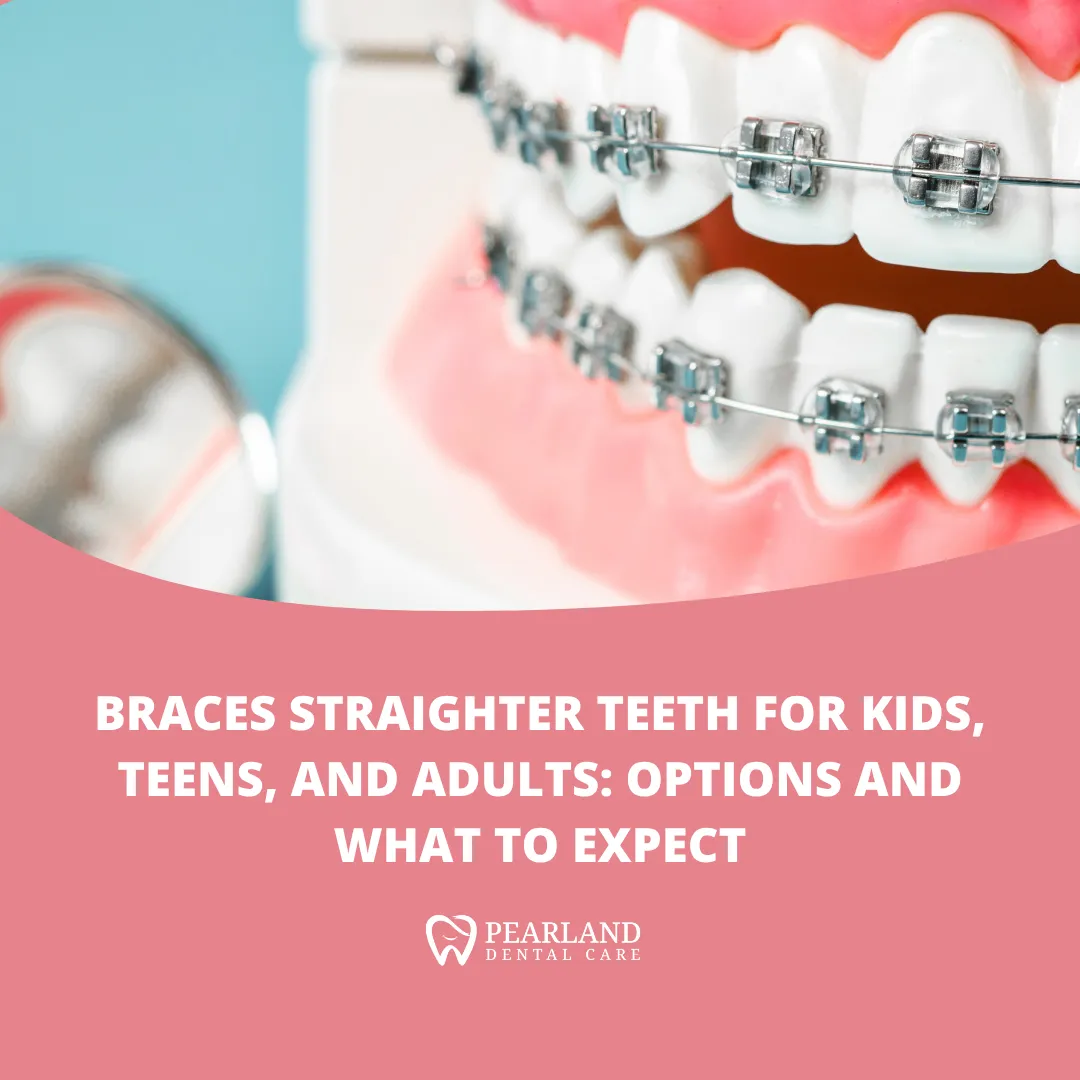
Traditional metal braces remain a popular choice for teeth straightening. They consist of brackets that attach to each tooth and wires that connect the brackets. Your orthodontic team adjusts these wires periodically to shift teeth into their proper positions.
Metal braces are known for their effectiveness in correcting malocclusion and improving dental alignment, and they suit kids, teens, and adults who need significant adjustments. Expect some soreness during treatment, but it usually subsides after a few days. Careful brushing and flossing keep both teeth and gums healthy along the way.
Ceramic braces offer a more discreet option. They use clear or tooth-colored brackets that blend in with your smile, while working exactly the same way as metal brackets — applying steady pressure to move teeth into alignment.
Keep in mind that ceramic braces can be less durable than metal and may need special care to avoid breaking or staining. With regular adjustments, they deliver excellent results for anyone seeking a more subtle approach to bite correction.
Clear aligners like Invisalign use a series of customized, removable trays to shift teeth step by step. They're nearly invisible, come out for meals and brushing, and fit many adult and teen lifestyles — though they depend heavily on consistent wear.
| Age Group | Dental & Structural Differences | Treatment Considerations |
|---|---|---|
| Children (6–12) | Primary and mixed dentition affect timing. Growth guides jaw development. | Interceptive (early) treatment may be used. Simple appliances work well, and parents help with care and hygiene. |
| Teens (13–17) | Most receive full orthodontic treatment once permanent teeth are in. | Metal braces remain common and effective; ceramic offers a less visible option. Compliance and consistent oral care affect speed and staining. |
| Adults (18+) | Bone is fully matured, so tooth movement is slower. | Clear aligners suit many lifestyles; ceramic braces combine function with aesthetics. Existing restorations and gum health shape the plan, and retention is critical. |
Every treatment starts with a thorough consultation. The dentist examines your mouth, teeth, and jaw for issues like malocclusion or crowding, and X-rays give a clear view of the underlying structure. You'll review the options — metal braces, ceramic braces, or clear aligners — and receive a customized treatment plan focused on proper tooth movement. This is the time to voice any concerns about discomfort or lifestyle changes; open communication makes the whole process easier.
At the fitting appointment, brackets are attached to each tooth with dental adhesive and archwires are threaded through to guide tooth movement. Adjustments happen every few weeks — tightening wires or swapping components as your teeth shift. Mild soreness after an adjustment is normal and typically fades within a few days.
Braces change how you eat and clean your teeth. Avoid hard or sticky foods that can damage brackets and wires, brush after every meal, and floss daily to prevent plaque buildup around brackets. Over-the-counter pain relievers can ease soreness after adjustments. If you're in aligners, clean your trays as directed and wear them the recommended hours per day.
After treatment, expect improved dental alignment and bite correction. Retainers play the crucial role in preserving those results — wear them exactly as instructed so teeth stay put. Routine dental visits keep an eye on your alignment and overall oral health, and with proper care your new smile lasts for years.
Metal braces, ceramic braces, and clear aligners like Invisalign. Bracket-and-wire systems and customized trays both handle teeth straightening and bite correction.
Children, teens, and adults. Orthodontic treatment addresses many forms of malocclusion at any age.
Brackets and wires apply steady force to guide tooth movement, while clear aligners use a sequence of custom trays to shift teeth step by step. Both aim for a corrected bite and better dental health.
You may feel soreness after adjustments or when starting new trays. It's usually mild and short-lived, and good oral care helps minimize it.
It depends on the complexity of the case and the option you choose. Simple cases may take months; complex tooth movement can take a couple of years. Retainers follow active treatment to hold the result.
Brush and floss after each meal, clean aligner trays as directed, and wear retainers exactly as your dentist tells you.
Whether you're weighing braces for your child or considering Invisalign for yourself, our team at Pearland Dental care will help you choose the right option at your consultation. Call (832) 955-1682 or book online to get started.
Braces can work at any age, though timing changes the plan. Children between about six and twelve are in mixed dentition, so interceptive early treatment with simple appliances is sometimes used while the jaw is still growing. Teens usually begin full treatment once permanent teeth are in. Adults have fully matured bone, so tooth movement is slower but still effective.
Both use brackets and wires to apply steady pressure, but ceramic brackets are clear or tooth-colored so they blend with your smile. Metal braces are more durable and handle significant adjustments well. Ceramic braces can be less durable and may need extra care to avoid breaking or staining, though they deliver excellent results for anyone wanting a subtler look.
You may feel mild soreness for a few days after brackets are placed or wires are adjusted, and again when you start a new set of aligner trays. The discomfort is usually short-lived and fades on its own. Over-the-counter pain relievers can ease it, and careful brushing and flossing help keep your gums comfortable throughout treatment.
Brush after every meal and floss daily to clear plaque from around brackets and wires. Avoid hard or sticky foods that can break brackets or bend wires. If you wear clear aligners, remove them for meals, clean the trays as directed, and wear them the recommended number of hours each day so treatment stays on schedule.
Yes, retainers are essential to hold your results. Teeth naturally drift back toward their old positions once active treatment ends, so wearing your retainer exactly as instructed is what keeps the correction in place. Routine dental visits let your team confirm your alignment is holding and keep an eye on your overall oral health.
Tell us a little about what you need — we'll be in touch shortly.
1921 N Main St #115, Pearland, TX 77581, United States

Hi! I'm Tooth fairy! Your AI Assistant Ask me anything